Get a Heat Pump
We provide information, resources and guidance on heat pumps that can help you make well-informed choices about the future of your home heating.
.jpg)

About this website
This website was developed by Nesta and The MCS Foundation to address the need for reliable and impartial information about heat pumps .
This website is free to use and offers completely independent guidance. You'll find information, tools and guidance to help you learn about heat pumps, choose the right type, estimate costs, understand the installation process, and more.

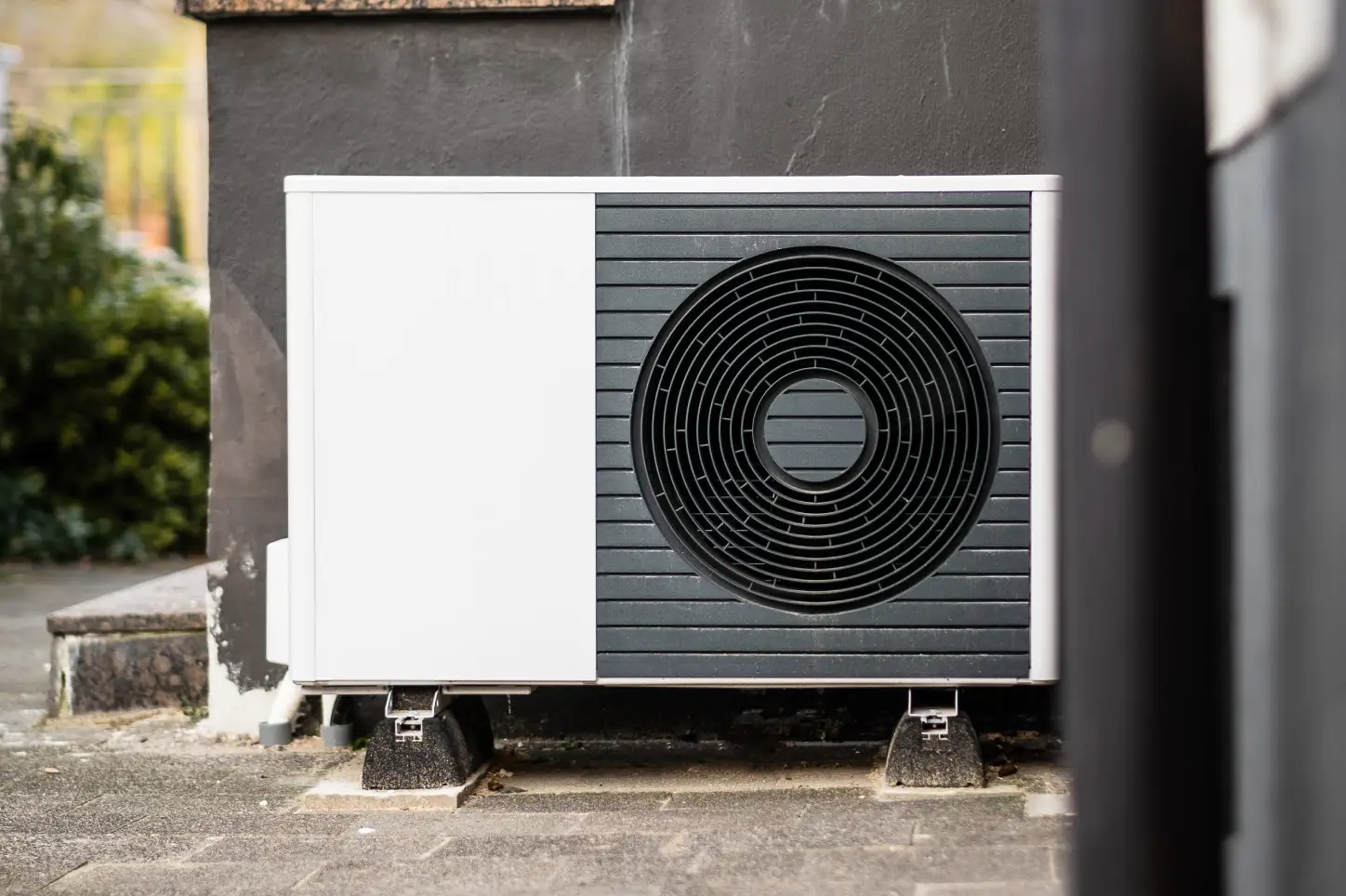
What is a heat pump?
A heat pump is a device that transfers heat from one place to another, using electricity as its power source.
It heats a building by drawing naturally occurring heat from the air, ground or water outside, and transferring it inside. Heat pumps are highly efficient, typically producing three to four units of heat for every unit of electricity they consume. As they are run using electricity, they don’t produce carbon emissions at the point of use. As the electricity grid decarbonises, there won’t be emissions from generating the electricity they use either. This makes them a greener alternative to traditional heating systems that run on fossil fuels.
Benefits of a Heat Pump

Future-proof your home
To meet the UK’s target of net zero by 2050, the Climate Change Committee (CCC) - the Government’s independent adviser on climate policy - has recommended that the installation of new fossil fuel heating systems should end by 2035.
.jpg)
Cut your carbon footprint
Burning fossil fuels such as gas or oil to heat the spaces we live in is one of the largest sources of household carbon emissions. Heat pumps are three to four times more efficient than other heating systems. Installing a heat pump in the place of a gas boiler is likely to be the best thing you can do to lower your personal carbon emissions.

Reduce your heating bills
Switching from oil, LPG (liquid petroleum gas) or direct electric heating systems to a heat pump is likely to reduce your energy usage and heating bills. If you’re switching from a gas boiler, your bills will likely stay similar under current tariff caps. However, as renewables generation and access to heat pump friendly tariffs improve, the cost of your heating is likely to reduce more over time.
.webp)

Discover
Discover
Find out about what a heat pump is, how it works, its costs and why you should consider getting one.

Plan
Plan
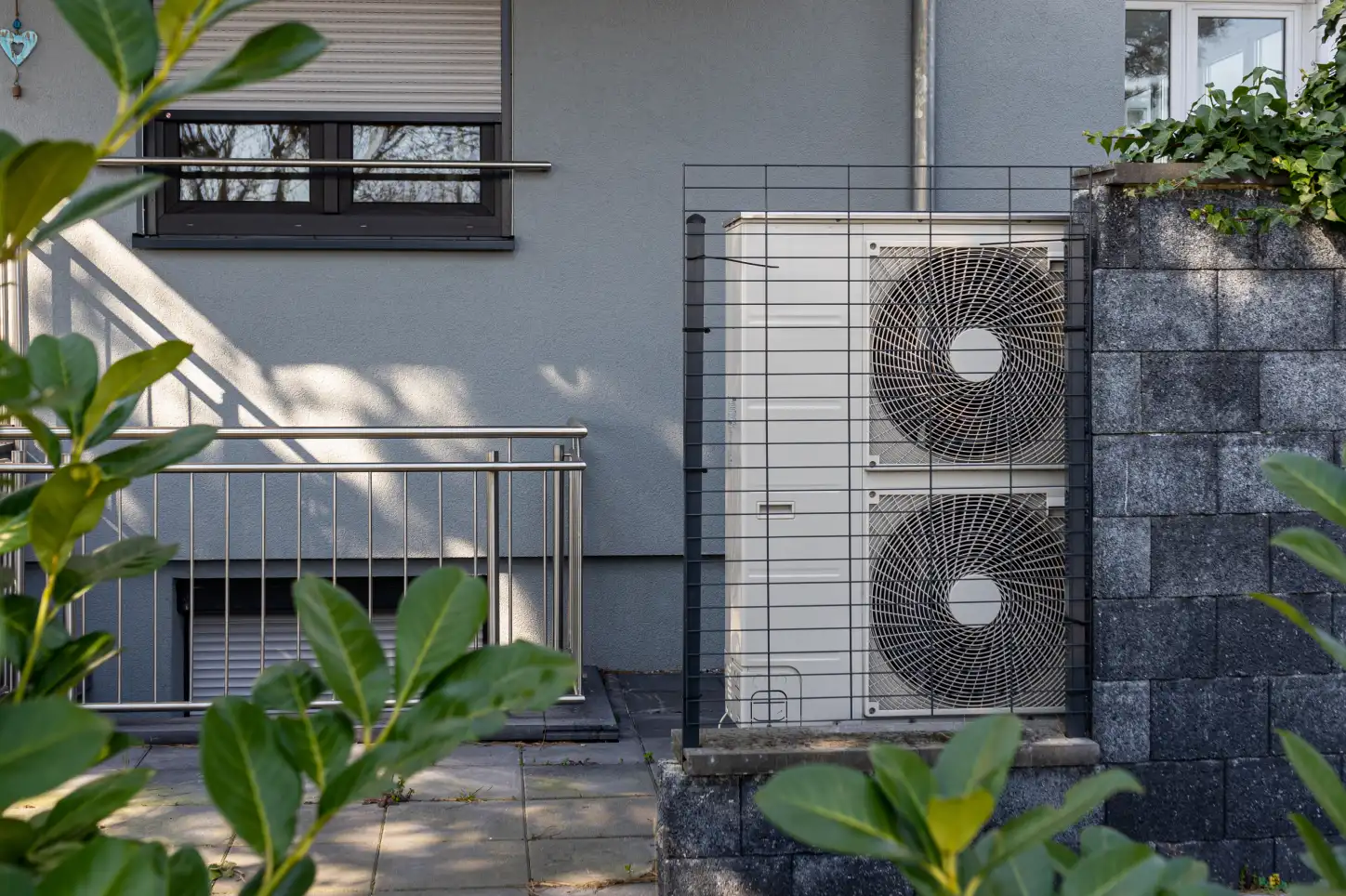
Read about the different types of heat pumps available, and find out which one is likely to be the best fit for your home.
Install
Install
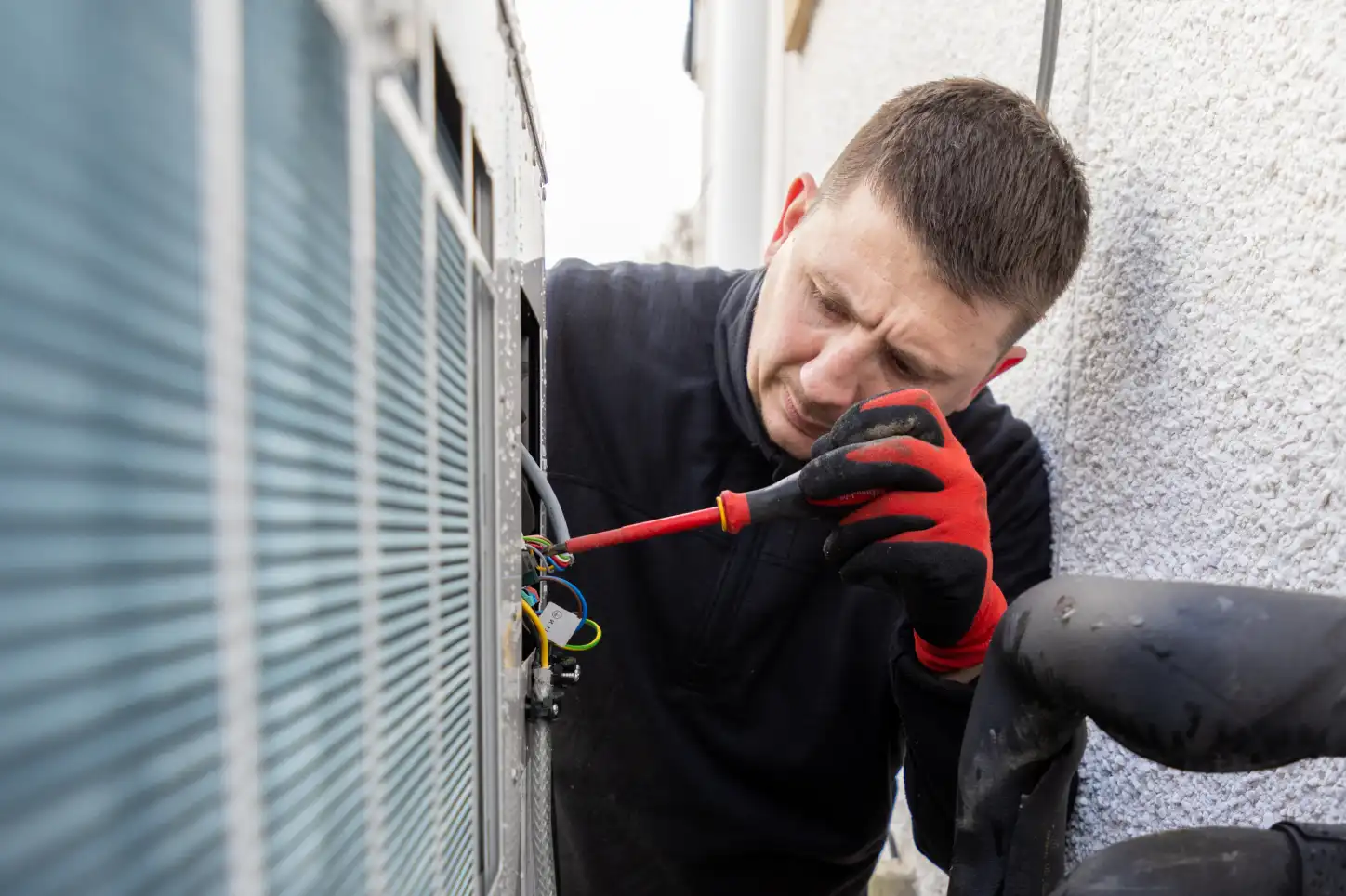
Find out more about how to find a good heat pump installer, and what to expect before, during and after installation.


.webp)